Production processes in the industrial sector require increasing levels of automation and precision every day. Product identification, traceability, and branding are no longer just a preference but a legal and operational necessity. At this point, the laser marking machine stands out as one of the most innovative solutions in the manufacturing world.
These machines create permanent markings without touching the product surface. Since they do not use paint, ink, or chemicals, they are both environmentally friendly and low-maintenance. Today, they are preferred in almost every field, from automotive to medical, electronic manufacturing to the packaging industry.
Laser marking machine systems offer businesses significant advantages in terms of speed, durability, precision, and longevity. For this reason, many manufacturers are abandoning traditional printing or engraving methods in favor of laser-based systems.
What is a Laser Marking Machine?
Laser marking machines are devices that use high-intensity laser beams to engrave text, logos, patterns, barcodes, QR codes, or serial numbers onto a product's surface. The laser beam creates a microscopic change on the surface, leaving a permanent mark. This mark cannot be erased by physical contact or environmental factors.
The surface is not touched during the process, which ensures that the marking is much cleaner and clearer. Depending on the structure of the material, the laser beam vaporizes the surface, creates a color change, or produces micro-bubbles. This creates a high-contrast, readable mark on the surface.
This technology stands out for its ability to be integrated into production lines, particularly for businesses engaged in mass production. It delivers flawless results in coding, serial numbering, or branding logos. Compared to traditional methods, it is both faster and significantly more durable.
Due to its lack of chemical usage, maintenance requirements, and waste generation, the laser marking machine is currently the most ideal solution for companies seeking to transition to environmentally friendly production models.
Fiber Laser Marking Machines
Fiber laser marking machines are one of the most preferred marking technologies in today's industry. This system delivers very high energy efficiency and precision by transmitting laser light through fiber optic cables.
Fiber laser technology delivers flawless results on many types of materials, including metal, plastic, ceramics, aluminum, and copper. It is widely used in the metalworking industry in particular because it creates deep, durable, and legible markings.
One of the most important advantages of these machines is that they have an average working life of over 100,000 hours. Thanks to their long-lasting laser sources, maintenance frequency is quite low. They also increase the efficiency of the production line by operating at high speeds.
Energy consumption is low, while marking quality is high. Moreover, even in small areas, clear text, symbols, and logos can be processed at the micron level.
One of the leading global representatives of this technology is the HSG Laser brand. It makes a difference in industrial marking processes with its high-performance laser systems, durable components, and advanced software infrastructure.
Types of Marking with Laser Machines
Laser machine marking can be applied in different ways depending on the type of material used and the desired visual effect. Each of these methods offers specific advantages tailored to particular industry needs and surface structures.
One of the most common marking techniques is engraving. In this process, a laser removes a very thin layer from the surface to create a deep mark. This produces a permanent, wear-resistant result on metal surfaces.
Another method is annealing marking. Especially on stainless steel surfaces, the heat effect created by the laser causes a change in the surface color. A visual contrast is achieved without causing deformation on the surface.
In plastic materials, the “foaming” method is used. The laser creates micro-bubbles on the surface, resulting in a light-colored, contrasting appearance. This method is commonly preferred for electronic device casings and packaging.
All of these methods demonstrate the versatility of laser machine marking technology and its advantage of being able to work independently of the material.
Applications of Laser Marking Machines
Laser marking machines are used in a wide range of industries today. They are commonly preferred in production lines, quality control stages, and personalized products.
In the automotive industry, it is used for identifying engine parts, chassis numbers, spare parts, and components. Thanks to the permanence of the marking, the traceability of parts is increased.
In the electronics industry, barcodes, QR codes, or serial numbers are printed on small parts such as circuit boards, chips, adapters, and connectors. This facilitates post-production tracking.
One of the most important advantages of laser technology is that it allows for marking without compromising sterility in the medical sector. Permanent marking is achieved without the risk of chemical contamination on products such as surgical instruments, implants, and syringes.
In jewelry, logos or designs can be engraved on gold, silver, and other precious metals. Similarly, in the promotional sector, products such as pens, diaries, and lighters can be personalized.
It is preferred for printing production dates, expiration dates, barcodes, and QR codes in the packaging and food industries. All of these applications demonstrate how versatile and reliable the laser marking machine technology is.
Factors That Determine Laser Marking Machine Prices
For businesses planning to purchase a laser marking machine, price is often a decisive factor. However, prices are influenced not only by the brand or model, but also by the technology used, laser power, processing area, and hardware specifications.
One of the most important price factors is the type of laser used. There are significant differences between fiber laser, CO₂ laser, and UV laser systems. Fiber laser marking machines are ideal for metal processing, while CO₂ lasers are preferred for wood and organic materials. UV lasers are used for micro-processing and plastic marking.
Laser power also has a direct impact on price. Power options range from 20W to 100W. Machines with higher wattage deliver faster results on thicker and harder surfaces, but energy consumption also increases.
Brand and manufacturer quality are another important factor affecting price. HSG Laser stands out with its reliable global service network, long-lasting laser sources, and technical support capabilities.
Work area size is another parameter that affects price. Add-ons such as wide tables or rotary attachments can increase cost while providing production flexibility. Additionally, automatic focusing systems and advanced control software also create price differences.
In short, when purchasing a laser marking machine, attention should be paid not only to the initial investment cost, but also to maintenance, energy consumption, and production speed. The right machine provides the highest yield in the long run.
Things to Consider When Buying a Laser Marking Machine
Purchasing a laser marking machine is not only a technical choice but also a strategic investment. Therefore, a detailed analysis is required during the selection process.
The first step is to determine which materials will be worked on. Material types such as metal, wood, plastic, or glass directly influence the type of laser to be used. A fiber laser marking machine should be preferred for metal surfaces, a CO₂ laser for wood and leather, and a UV laser for glass or plastic surfaces.
Secondly, the need for integration into the production line must be evaluated. It must be determined whether manual operation or a model with an automatic feeding system will be preferred.
Brand and technical service support are critical factors for long-term reliability. Brands with a strong service network across Turkey ensure business continuity. HSG Laser is one of the brands that stands out in this area in terms of both performance and support.
Software compatibility is also an important factor in the selection process. Software platforms that are easy to use and can be integrated into the production process simplify the workflow.
Finally, when planning the budget, the price/performance balance should be taken into account. The most expensive model may not always be the most suitable solution. Choosing the right model that suits the business's needs accelerates the return on investment in the long run.
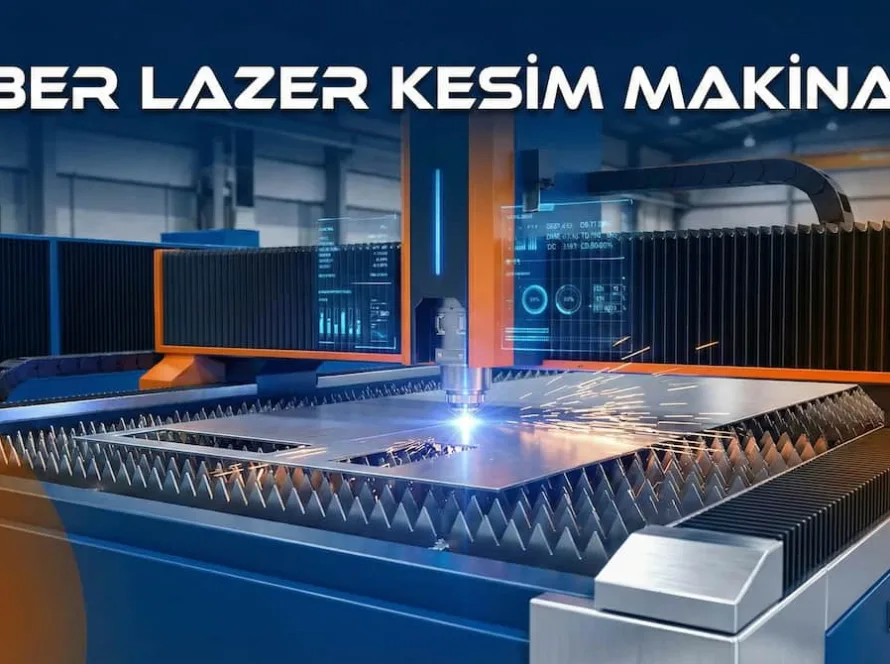
If both marking and cutting processes are required on the production line, integrated solutions with laser cutting machine systems should be considered. These types of hybrid systems increase production speed while reducing operational costs.
As a result, laser marking machine technology has become an indispensable part of modern industry thanks to its permanence, environmentally friendly production, low maintenance costs, and high production speed.
Choosing the right model and brand enhances your business's production capacity both today and in the future.